Response to new ACE strategy

4 Jun 2026
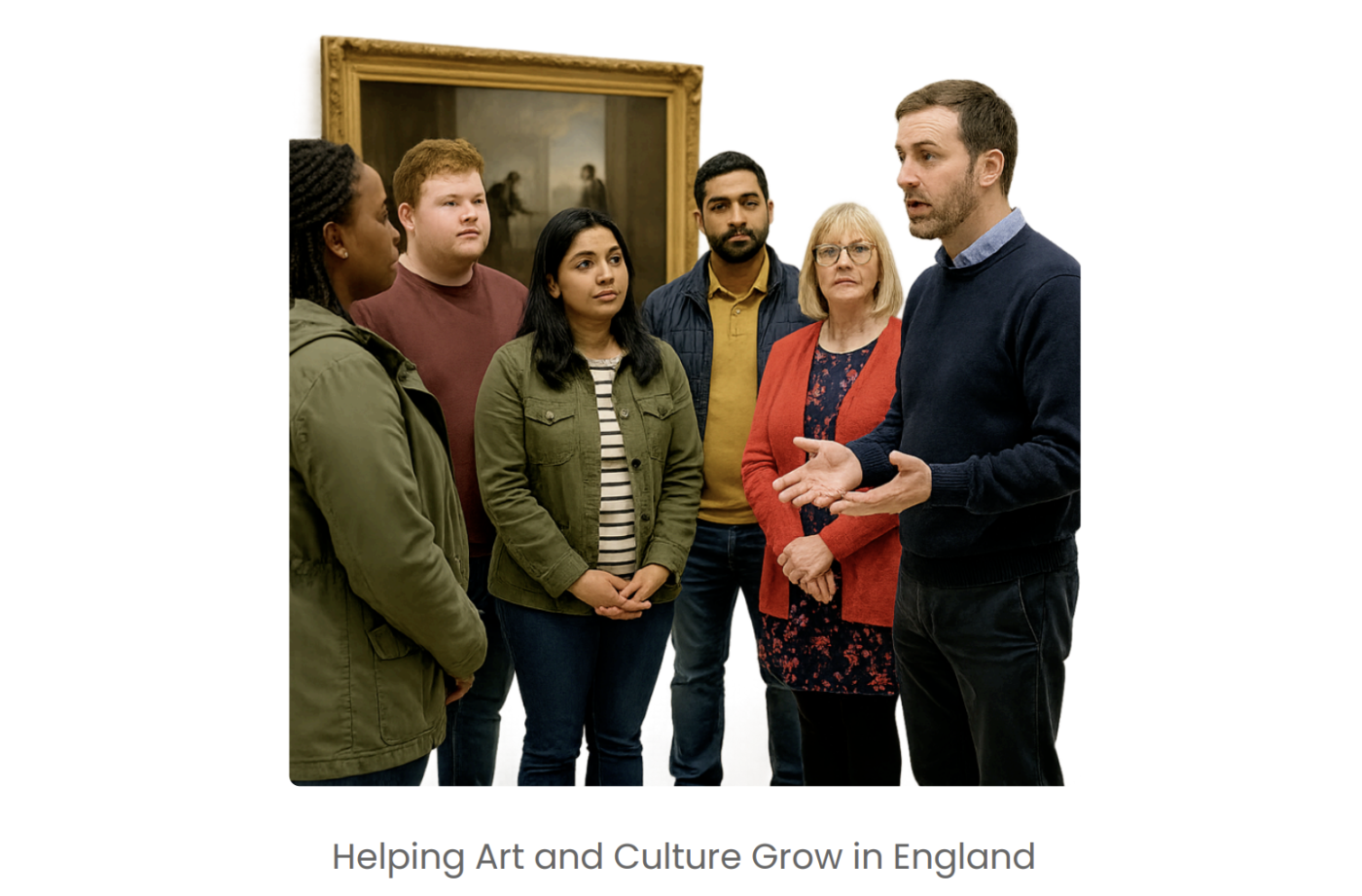
We propose that Arts Council England should explicitly acknowledge the linked crises of planetary overshoot and hateful politics, and express stronger support for cultural practices that respond to these risks and vulnerabilities.
ACE has issued a new simple framework as an interim replacement for its Let’s Create strategy. It is a response to the Hodge Review, which reported on ways to reduce bureaucratic hurdles to applying for funds and to explore alternative revenue models in times of straitened funding.
The new strategy has three objectives: to support excellence, to deliver for everybody, and to reach everywhere. Evidently, this is ambitiously comprehensive. The document does recognise the challenge of delivering these three pillars, given increasingly limited funding.
The UK ranks near the bottom among comparable European nations in spending on culture per head and as a percentage of GDP. Also, where Reform holds majorities, there are already moves to cut cultural and social infrastructure run by local authorities, as well as cuts to climate action.
England has been made more vulnerable to climate denial and hateful politics due to the erosion of cultural funding, arts-rich education and heritage stewardship. Our governments have allowed our media and cultural institutions to be influenced by the corporate lobbies that profit from fossil fuels, pollution and arms, and the technology and finance that support these harmful industries. This is contributing to the erosion of democracy, community cohesion, equity, and environmental action.
The strategy document does not refer to the extraordinary risks of this crisis, nor does it mention the ACE investment principle of environmental responsibility.
The roles of arts and culture are described as for economic growth, social cohesion and good health. We suggest that ACE expand the purpose of culture to responding to the Earth Crisis.
What could this look like?
- Ecological kinship: support for arts and museums working on biodiverse places, nature’s rights and land restoration for climate goals.
- Dismantling structural inequalities: support for arts and museums addressing power imbalances and hateful propaganda.
- Inspiring transformational adaptation: support for arts and museums working in communities low on the Multiple Deprivation index that are vulnerable to flooding & coastal erosion, pollution & harmful development.
- Ecological innovation: support for arts and museums working to inspire green practices, designs and enterprises.
The responsibility for the cultural sector to respond to the Earth Crisis does not diminish the intrinsic purposes of culture. Beauty, enjoyment, experiment and play are essential forces that underpin their power for social and ecological change. Arts and culture can enable audiences to address injustices and to express the trauma and anticipatory mourning they are experiencing. The change-making powers required are to engage communities en masse in inclusive ways, to help end ecological destruction, social violence, and climate vulnerability, even as Earth Crisis impacts will make that work much harder over the coming years.
Your exclusions might have been understandable 25 years ago. However, in 2026:
- National Emergency Briefings are rolling out in 100s of public screenings around the country.
- A Climate Change Committee report on adaptation has warned that the UK is not adequately preparing for the 3 °C of excess warming that the current mitigation path is leading us to.
- The UK Government has legislated to support Climate Change Act 2008 and other environmental strategies.
- The National Security Assessment on global ecosystems warned of the dire security threats to our nation.
- The AMOC collapse is becoming more likely and sooner than projected, bringing UK winter temperatures to lows of -20 °C, and a dramatic collapse in food production.
- Autocratic leaders are creating global economic chaos, conflict over territory and fossil fuels, and spreading the politics of hate.
The strategy document creates an artificial chasm between the world of art and culture and the disrupted geophysical and political world in which it operates.
We are interested in your response to these questions:
What steps could you take to acknowledge the Earth Crisis – its systemic causes, risks and essential responses – as core to your strategy, and not limited to reporting on sustainability measures?
And, specifically focusing on climate, building on the UK government’s climate policies, how will you support culture to contribute to the cross-sector response that is needed?
